
Get magical relief from pain and stiffness with our advanced 30-minute Frozen Shoulder treatment using Ozone Therapy and Pain Portal Blocks. These precision injections ease discomfort, unlock tightness, and restore movement quickly — delivering powerful, almost instant improvement you can feel right after the procedure.
By Dr. Neeraj Kumar Goyal
Senior Orthopedic Consultant – Maxcure Ortho and Oral Care Centre, Noida
🔶 What is Frozen Shoulder?
Frozen Shoulder (Adhesive Capsulitis) is a painful condition in which the shoulder becomes stiff and its movement gradually decreases. In some cases, the shoulder becomes completely “frozen”.
Without treatment, symptoms may last 2–3 years and stiffness can continue even after recovery.
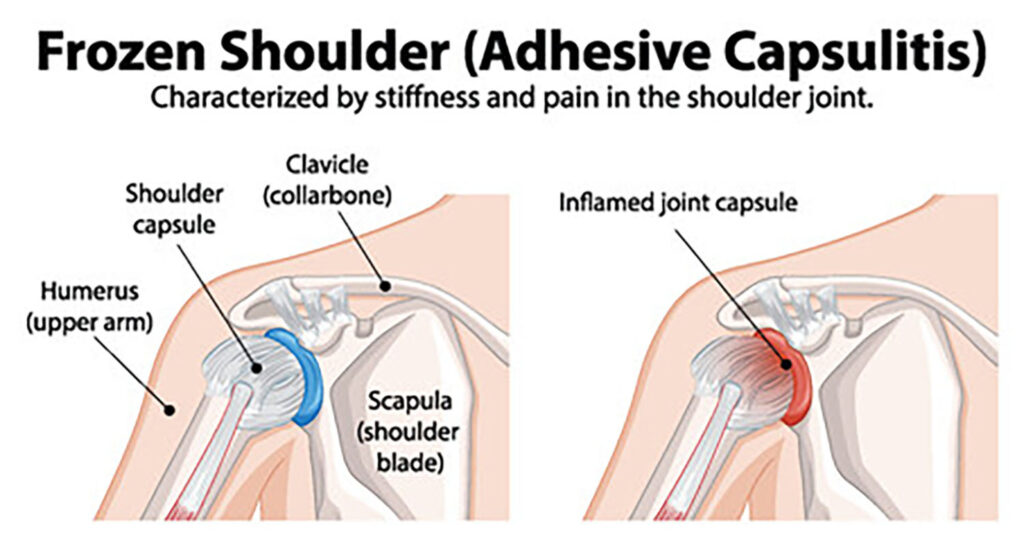
🔶 Why Does Frozen Shoulder Occur?
Frozen shoulder develops when the shoulder capsule becomes inflamed, thickened, and forms tight scar-like tissue.
Common causes include:
- Diabetes (1 in every 5 diabetic patients may experience it)
- Thyroid disorders
- Prolonged immobilization of the arm (fracture, sling, cast)
- Post-surgical stiffness
- Cardiac catheterization (post-stenting)
- Radiotherapy, especially after breast cancer treatment
🔶 Stages of Frozen Shoulder
Frozen shoulder progresses in three stages, each lasting for months:
- Freezing Stage (2–9 Months)
- Increasing shoulder pain
- Pain worsens at night
- Movement gradually decreases
- Frozen Stage (4–12 Months)
- Pain reduces
- Stiffness increases
- Significant restriction in shoulder movement
- Thawing Stage (1–3 Years)
- Range of motion gradually improves
- Pain slowly decreases
🔶 Common Symptoms of Frozen Shoulder
- Severe shoulder and upper arm pain
- Night pain and difficulty sleeping
- Difficulty performing daily tasks like wearing clothes
- Reduced shoulder mobility
- Unable to reach behind the back
- Shoulder muscle weakness due to inactivity
🔶Who is at Higher Risk?
- Age 40–65 years
- Females
- Diabetic patients
- Thyroid disorder patients
- Post-surgery stiffness
- Prolonged shoulder disuse
🩺 Frozen Shoulder Treatment Options (By Dr. Neeraj Kumar Goyal)
Treatment focuses on reducing pain, relieving stiffness, and restoring range of motion.
⭐ 1. Medications
- Pain Killers: Paracetamol, Tramadol – help reduce pain
- Anti-Inflammatory Drugs: Diclofenac – reduce inflammation
- Short-term Steroids: Effective in the early freezing stage
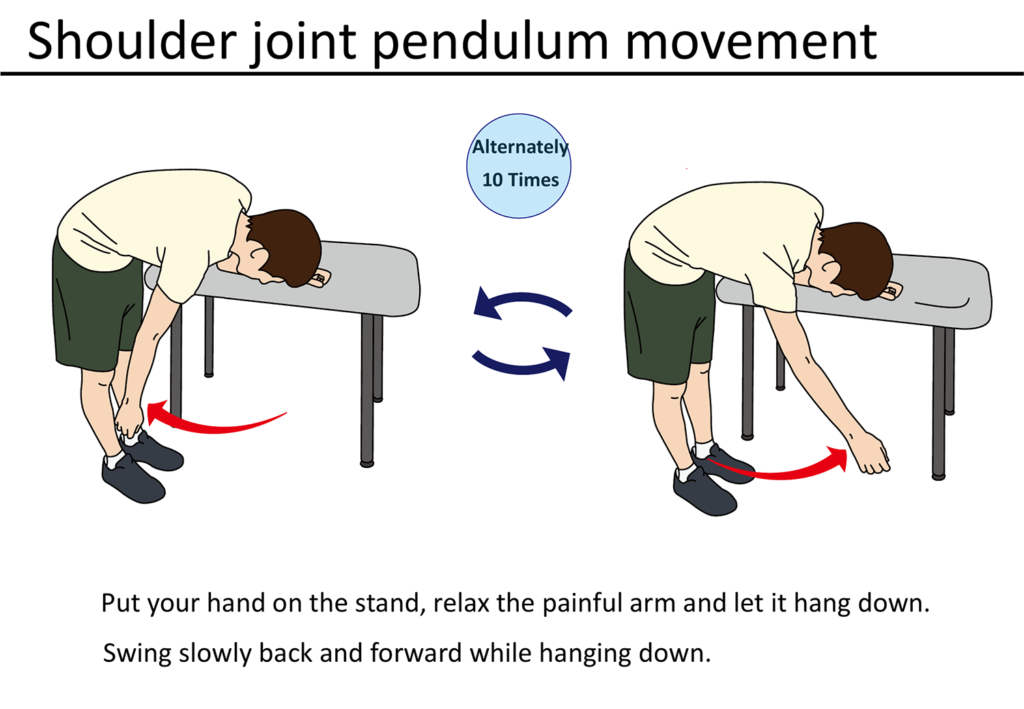
⭐ 2. Physiotherapy & Exercises
- Stretching exercises
- Shoulder mobility training
- Heat therapy
- Ultrasound therapy
- TENS
- Laser therapy
These methods reduce pain and improve flexibility.
⭐ 3. Advanced & Modern Treatments
(Recommended when pain and stiffness persist even after above suggested methods)
✔ Ozone Injection & Physiological Pain Portal Blocks – Advanced Treatment
Available at Maxcure Ortho And Oral Care Centre
These modern non-surgical treatments provide instant relief:
- Pain reduces within 30 minutes
- Rapid improvement in shoulder stiffness
- Faster return of shoulder movement
- Enhances physiotherapy outcomes
- Reduces the need for surgery
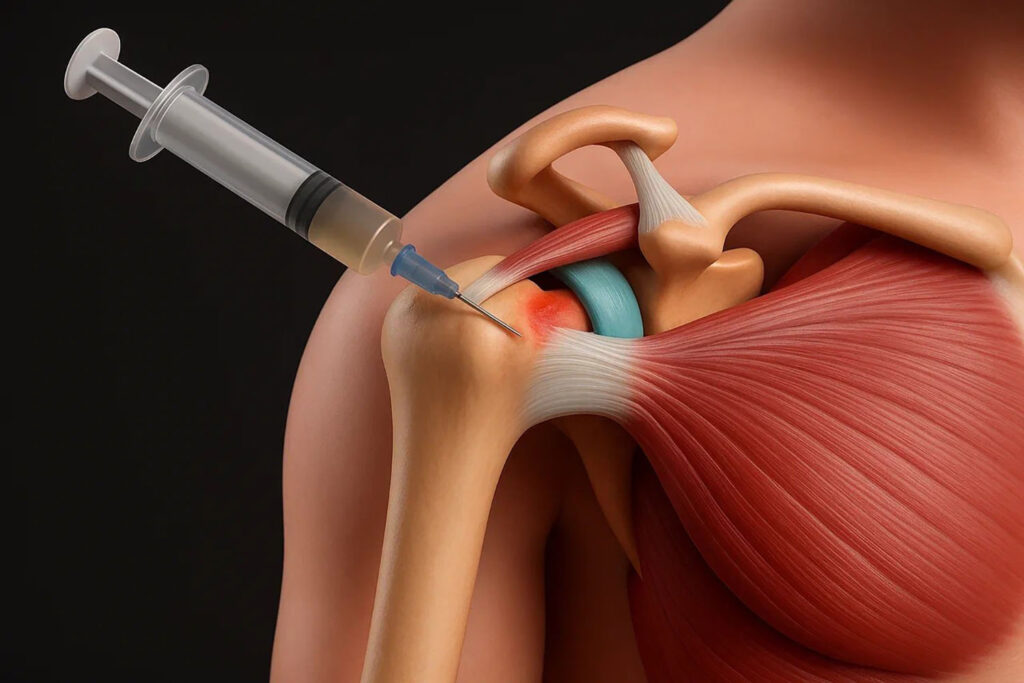
Injection ozone into frozen shoulder video
👉 This is a specialized technique performed by Dr. Neeraj Kumar Goyal.
Steroid Injection (Intra-Articular)
- Reduces joint inflammation
- Speeds up recovery (6–8 weeks)
- 2–3 injections can be safely given
- Diabetic patients must control blood sugar before injection
Arthroscopic Capsular Release (Minimally Invasive Surgery)
(For resistant cases not improving after 3 months of treatment)
- Performed through 2–3 small keyholes
- Tight capsule is released using a radiofrequency device
- Immediate improvement in movement
- Done as a daycare procedure
Why Choose Dr. Neeraj Kumar Goyal?
- 20+ years of orthopedic expertise
- Specialist in Joint Replacement & Arthroscopy
- Certified in Ozone Therapy & Regenerative Ortho-Biologics
- Known for advanced non-surgical and surgical treatment for frozen shoulder
- Thousands of successful shoulder pain treatments
Frozen Shoulder: Frequently Asked Questions (FAQ)
By Dr. Neeraj Kumar Goyal
Senior Orthopedic Consultant | Maxcure Ortho and Oral Care Centre, Noida
FAQ 1: What is a frozen shoulder?
Frozen shoulder occurs when the capsule around the shoulder joint becomes inflamed, thickened, and tight. This leads to:
- Restricted movement
- Pain during both active and passive motion
FAQ 2: How does frozen shoulder start?
Early symptoms include:
- Mild shoulder pain
- Stretching or pulling sensation
- Night pain
Gradually, stiffness increases and movement becomes limited.
FAQ 3: What are the symptoms of frozen shoulder?
- Persistent shoulder or upper arm pain
- Stiffness
- Difficulty lifting the arm
- Pain worse at night
- Difficulty with daily activities (dressing, combing hair)
FAQ 4: What is the best treatment for frozen shoulder?
Early-Stage Treatments:
- Gentle stretching exercises
- Physiotherapy sessions
- Warm fomentation (hot compress)
- Avoiding heavy lifting & sudden jerks
- Short-course medications (pain relievers, anti-inflammatory drugs)
Advanced Treatments (for severe pain or stiffness):
- Ozone Injections
- Physiological Pain Portal Blocks
- Manipulation Under Anaesthesia (MUA)
- Arthroscopic Capsular Release (if required)
FAQ 5: Is frozen shoulder related to age?
Yes. People above 40 years are at higher risk, but it can occur at any age.
FAQ 6: What are the stages of frozen shoulder?
- Freezing Stage (2–9 Months)
- Frozen Stage (4–12 Months)
- Frozen Stage (4–12 Months)
FAQ 7: What happens if frozen shoulder is not treated?
- Increased pain
- Severe stiffness
- Loss of mobility
- Difficulty performing daily activities
FAQ 8: Is massage good for frozen shoulder?
Massage may help reduce muscle tension, but always consult your doctor first.
Improper massage techniques can worsen the condition.
FAQ 9: Who is at higher risk of frozen shoulder?
Higher risk groups include people with:
- Diabetes
- Thyroid disorders
- Lung disease
- Breast cancer
- Stroke
- Parkinson’s disease
- Recent shoulder injury
- Prolonged immobility
- HIV on antiretroviral therapy
FAQ 10: Is there surgery for frozen shoulder?
Yes. If non-surgical treatments fail, Arthroscopic Capsular Release can free the tight capsule, restoring shoulder mobility.
FAQ 11: Can I lift weights with frozen shoulder?
Avoid:
- Heavy lifting
- Painful shoulder movements
- Sleeping on the affected side
Gentle warm-oil massage may help ease stiffness.
FAQ 12: How to differentiate between frozen shoulder and a rotator cuff tear?
Rotator Cuff Tear:
- Active movement restricted
- Passive movement possible with assistance
Frozen Shoulder:
- Both active and passive movement restricted
- Severe pain and stiffness
FAQ 13: Should I wear a sling for frozen shoulder?
No. A sling restricts movement and increases stiffness.
Use only if prescribed after surgery.
FAQ 14: What foods should be avoided in frozen shoulder?
Avoid foods that increase inflammation (Vata-aggravating):
- Packaged & stale foods
- Fast food
- Cold drinks, ice cream
- White flour items
- Tea, coffee, alcohol
- Frozen foods
Turmeric helps reduce inflammation.
FAQ 15: Who is the best orthopedic doctor for frozen shoulder in Noida?
Dr. Neeraj Kumar Goyal at Maxcure Ortho and Oral Care Centre, Noida is one of the most trusted specialists.
He uses advanced treatments such as Ozone Therapy, Pain Portal Blocks for fast and effective relief.
Maxcure Ortho and Oral Care Centre
C-01, Sector 122
Noida
Advanced Orthopedic Care | Modern Technology | Faster Recovery
Contact : 91-9958755008 for appointment